Earl Ofari Hutchinson
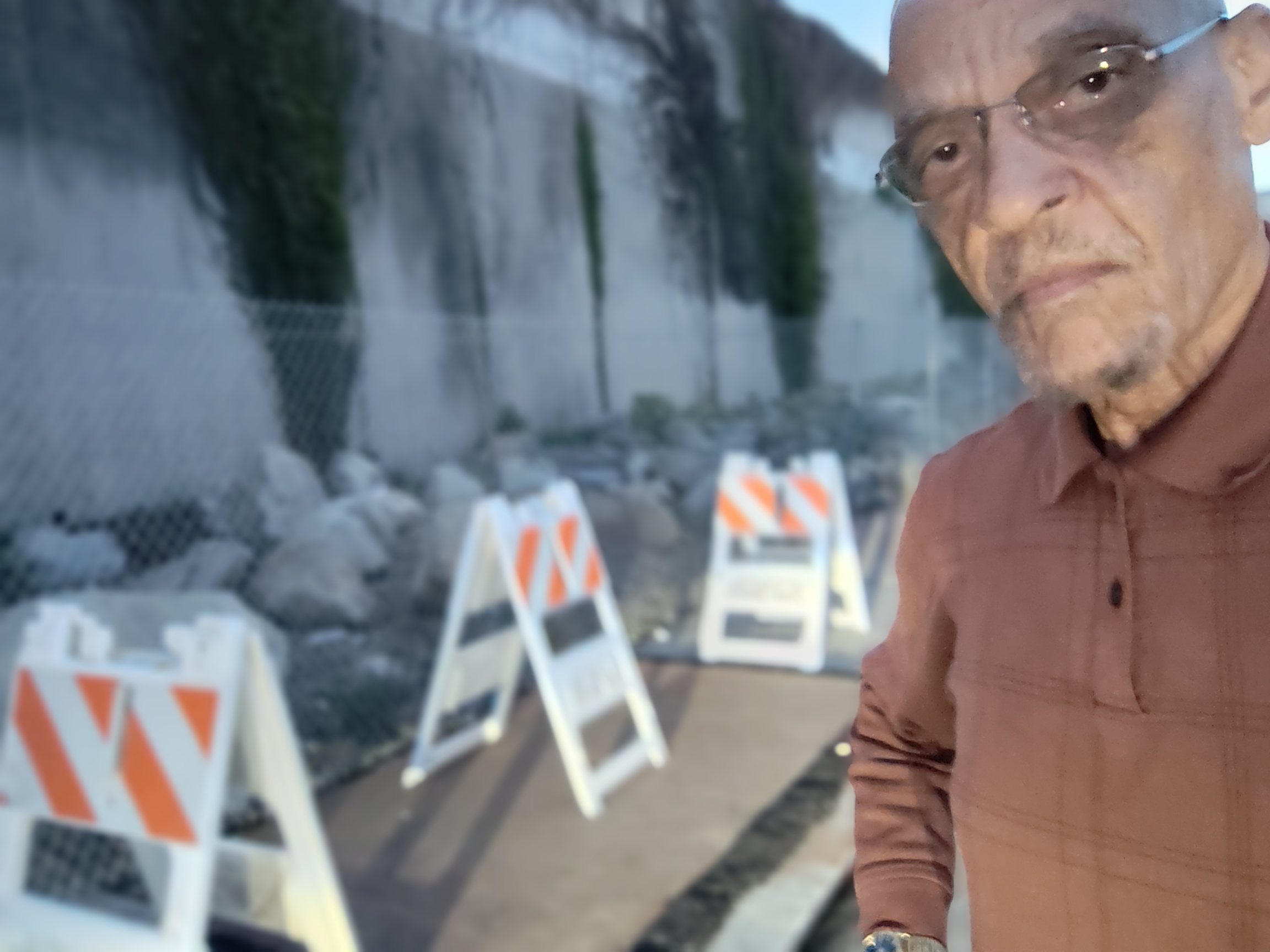
A day after a flood of news trucks, police, sanitation department workers, and a slew of neighbors, descended on the sidewalk sewer manhole in South L.A., I went to the location. The sanitation work crews had sealed up the manhole with concrete. The site had been the subject of intense media interest and that prompted L.A. city officials to act.
Unfortunately, it took the shame and embarrassment of the massive media exposure for L A. city sanitation department officials to act. The news that people were living in L.A.’s sprawling 6500 miles of sewer passages sparked widespread rage. The question repeatedly asked was how did L.A.’s seemingly intractable homeless crisis result in something this appalling. How could people in this day and age and in a city such as L.A. sink to the level of living in dank, dark, unsafe, unhealthy sewer passages?
The pictures of the hapless Black woman sitting at the sewer manhole opening captured the attention of many. It sadly answered the question. Neither she, nor her plight, was an aberration. The increasingly substantial number of persons termed variously “mole people” or “tunnel people” that live beneath America’s cities has been well documented. They have carved out their residence in abandoned subways, railroad, flood, and heating shafts. And in L.A. the city’s sewers.
In the early 1990s, filmmakers and reporters, and writers were fascinated by the considerable number of people living in tunnels under New York City streets. There were so many of them that they had formed their own orderly community with their own set of rules. A documentary and a best-selling book chronicled their plight. New York was no exception. A year ago, investigators in Las Vegas reported that more than one thousand homeless people lived in tunnels under Las Vegas streets. That again sparked widespread disgust and anger.
The stock explanation is that the tunnel dwellers suffer drug, alcohol addictions, and mountainous mental health afflictions. Obviously, many do. After all few rational individuals would voluntarily pitch their tents, even if homeless, in such horrendous spots. But there is no mystery or guess work why many of them are driven to that level of desperation in living. It’s poverty and homelessness.
They go hand-in-hand and they are deep, structural problems. They are fueled in large part by unchecked, unaffordable, high-end development. Los Angeles is a magnet for thousands of people with challenges, who are from other states. It’s about more than providing housing to deal with their issues. It entails meeting the full range of social and human service problems. It’s also a global problem linked directly to poverty, race, gender, and social disconnect and dispossession.
One of many sobering experiments to end homelessness confirmed how dogged the problem is. In 2024, the federal government in Canada issued a report that after spending billions in public money to wipe out homelessness in the country, they didn’t know if the money made any dent in the problem.
The Canadian dilemma, again, is no different than what other U.S. cities face when it comes to getting a handle on homelessness. The city that tops them all in confronting the problem is, of course, Los Angeles.
Homelessness has been the runaway, number one public-policy worry of L.A. officials for almost two decades. Every mayor and every city official have wrung their hands with promises and projected solutions to get rid of the tent encampments that are tantamount to a city of the dispossessed within Los Angeles.
Mayor Karen Bass has spent much of her time in office proposing solutions, big funding increases and implementing some initial action efforts to get more people off the streets. But even before Bass took office, city officials spent tens of millions of taxpayer dollars, tossed up a few encampments and makeshift housing here and there, and repeatedly demanded taxpayers cough up millions on the pledge that these dollars would be used to end homelessness. All the while, many of L.A.’s streets, parks, freeway sidings, and underpasses have looked like Kolkata, India.
Bass’ public efforts to tackle the crisis encompass a realistic and comprehensive approach to the problem. It is not a matter of simply putting a roof over the heads of thousands of persons on L.A.’s streets or, as Canadian officials discovered, to their chagrin, merely kicking out, not millions, but billions toward fighting homelessness with little to nothing to show for it.
It requires equal investment in drug and alcohol counseling, job and placement, skills training and retraining, childcare, nutrition, and the ongoing monitoring of service programs to ensure effectiveness.
Now add to this the new crisis. That is sewer living. Putting concrete on the manhole, and warning signs around them as the sanitation crews did is no answer to this new twist to the shelter crisis.
This is a long, hard, uphill process. There are no quick fixes. The only good thing that came out of the shot oof the woman sitting on the edge of the sewer manhole-her home-is that it made news. That ensured she and her plight could not be ignored.
Earl Ofari Hutchinson is an author and political analyst. His forthcoming book is The Epstein “Distraction” (Amazon ebook and Middle Passage Press)
He hosts the weekly news and issues commentary radio show The Hutchinson Report Wednesdays 6 PM PST 9 PM EST at ktymgospel.net