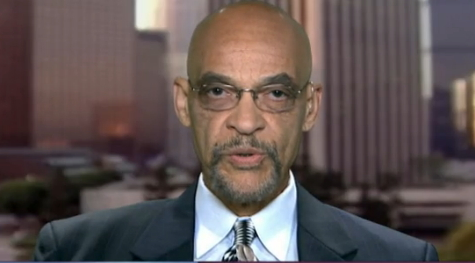
Earl Ofari Hutchinson
Accused double murderer Nick Reiner in a rare lucid moment said something that hit the horrific nail on the head. He was quoted as saying I’m “a spoiled white rich kid from Hollywood.” Reiner realized that his celebrity, wealth, and above all privilege assured him the best mental health and substantive abuse care and treatment that fame and money could buy.
The savage murders of his parents, Rob and Michele Reiner, have captured and will continue to capture national attention, sympathy, and rage. The killing by someone with a mental health affliction is thankfully the rare exception. Most individuals that suffer mental illness afflictions do not commit violent acts against others. The harm is self-inflicted. That takes a toll on family members and associates.
The Reiner tragedy again points to the fact that there are tens of millions that fall into the mental serious mental health challenge category. The numbers tell the tale of the magnitude of the mental health crisis in America. A 2024 poll by the National Alliance on Mental Illness found that nearly sixty million Americans reported a mental health affliction. That’s one in five adult Americans.
However, that tells only a small part of the tragedy. Blacks, Native Americans, and LGBTQ persons suffer vastly disproportionate incidents of mental illness. Overall, one in five Black adults, and Native Americans report one or more mental illness disorders. They range from chronic depression to Reiner’s reported affliction– schizophrenia.
That’s one part of the sordid story of mental health peril. The other is who receives treatment and who has access to treatment. Reiner’s journey in and out of mental health and substance abuse treatment was long and costly. He was placed in pricey rehab treatment centers multiple times. He had the best medical psychological, and substance abuse treatment specialists providing treatment, counseling, and care. Typically, with white well-to-do, and especially celebrity substance abusers and mental health sufferers, there is no hint, let alone, actual jail time for them in many cases of illegal use of drugs.
The picture for Blacks and Hispanics who face mental health challenges is far different. A Department of Health and Human Services survey in 2024 found that only one in three Blacks and Hispanics received treatment. Similar treatment disparities were found for Asian American and Pacific Islanders. Meanwhile, nearly one out of two whites received treatment.
The multiple reasons for the wide gap in treatment between the Reiners and the poor and people of color have been oft cited. One is the absence of access to treatment centers in minority and lower income neighborhoods. Poverty, lack of health insurance, underinsurance, or part of the economic barrier to treatment for many. Another is the prevalent stigma of seeking treatment for a mental health issue. For many this is still viewed as a sign of weakness or personal failure. Thankfully, that fear and notion is breaking down as the crisis within minorities communities deepens.
Another barrier is systemic racism. A 2023 Rand Corporation study found a widespread pattern of deliberate closing of the mental health treatment center door to aid even when Blacks and Hispanics seek help. The impediments include shorter hours, lack of available services, untrained staff, little time, or effort spent on outreach programs and information on services, and lack of Spanish speaking aid workers.
The KFF Policy Research Foundation further underscored the crisis in mental health treatment disparities in a comprehensive report in 2024 “Racial and Ethnic Disparities in Mental Health Care: Findings from the KFF Survey of Racism, Discrimination and Health.” It checked off the number of areas where the mental health car system failed Blacks, and people of color and the poor.
That included the absence of treatment facilities in lower income, underserved neighborhoods, the types of treatment and care offered in the paltry number of enters in these neighborhoods. In almost every instance, the report noted widespread differences in how whites reported the level of and accessibility to the treatment they received versus the dismal to non-existent treatment Blacks received.
The Trump administration will only make things worse. He has repeatedly proposed massive cuts to funding for mental health services. When he has spoken out on the mental health crisis, it has only been after another heinous mass shooting, and then only offering pablum about prayers for the victims, followed by a full-throated defense of gun ownership.
The embattled Director of Health and Human Services, Joseph Kennedy Jr. is no better. His obsession with eliminating vaccines, downplaying the possibility of more epidemics, and slashing funding and personnel within health care services make it even more likely that there will be no ramp up in mental health treatment services for anyone least of all those most in need. That’s Blacks, Hispanics, and the poor.
Nick Reiner unapologetically stated the well-known and established fact that he and those of his status are guaranteed the best that the system has to offer when it comes to mental health care and treatment no matter whether it does any good or not as witnessed by the failure with him. The same unfortunately can never be said about others that don’t have his “privilege.”
Earl Ofari Hutchinson is an author and political analyst. His forthcoming book is Blind Eye: Ignoring the Mental Health Crisis in America (Middle Passage Press) He is the publisher of thehutchinsonreport.net.